Why a Kitchen Lighting Demonstration Matters Before You Renovate
Seeing Light Before You Commit
When I first started advising clients on kitchen renovations, I noticed something curious. People would spend hours choosing cabinetry, worktops, and appliances, yet they gave almost no thought to lighting until the very end. That approach usually leads to frustration. A kitchen can look stunning in a showroom and feel flat, cold, or awkward in your own home. The difference often comes down to how light interacts with the materials and surfaces. That is why a kitchen lighting demonstration should happen early in the design process, not as an afterthought.
I remember visiting a showroom in Glasgow where a row of German kitchens sat under carefully tuned spotlights. Each one appeared flawless, with crisp edges and rich wood grain. But when I asked the designer about the lighting, she laughed and said, "We never let anyone see these without the dimmers on." She then walked me through a full kitchen lighting demonstration, lowering the ambient light, bringing up the under-cabinet strips, and shifting the colour temperature from a cool daylight to a warm glow. The change was dramatic. That experience stuck with me because it revealed how much of what we perceive as quality in a kitchen is really a product of light.
What a Demonstration Actually Shows You
A kitchen lighting demonstration is not just a sales pitch. It is a practical way to test how different fixtures behave in real conditions. You might assume that a bright ceiling light will cover everything, but shadows from your own body can fall across the worktop. You might love the look of pendant lights over an island, yet realise they cast glare onto a polished surface. Seeing these effects before installation saves you from costly mistakes.
During a good demonstration, you should be able to toggle between ambient lighting, task lighting, and accent lighting. Each serves a different purpose. Ambient lighting fills the room and sets the base level. Task lighting, such as under-cabinet lighting or recessed lighting over the prep zone, provides focused brightness exactly where you chop, slice, and read recipes. Accent lighting, often from LED strip lights or small spots, highlights texture and architectural details. A reputable showroom will let you experience all three in a simulated kitchen setting, which is far more informative than staring at a single fixture on a shelf.
The Role of Colour Temperature
One of the most overlooked variables in kitchen lighting is colour temperature, measured in kelvin. A low kelvin figure, around 2700K, gives a warm, amber light that feels cosy and flatters wood tones. A high figure, like 5000K, mimics daylight and can make a space feel crisp and clinical. Neither is inherently better. The right choice depends on your kitchen's materials and how you use the room.
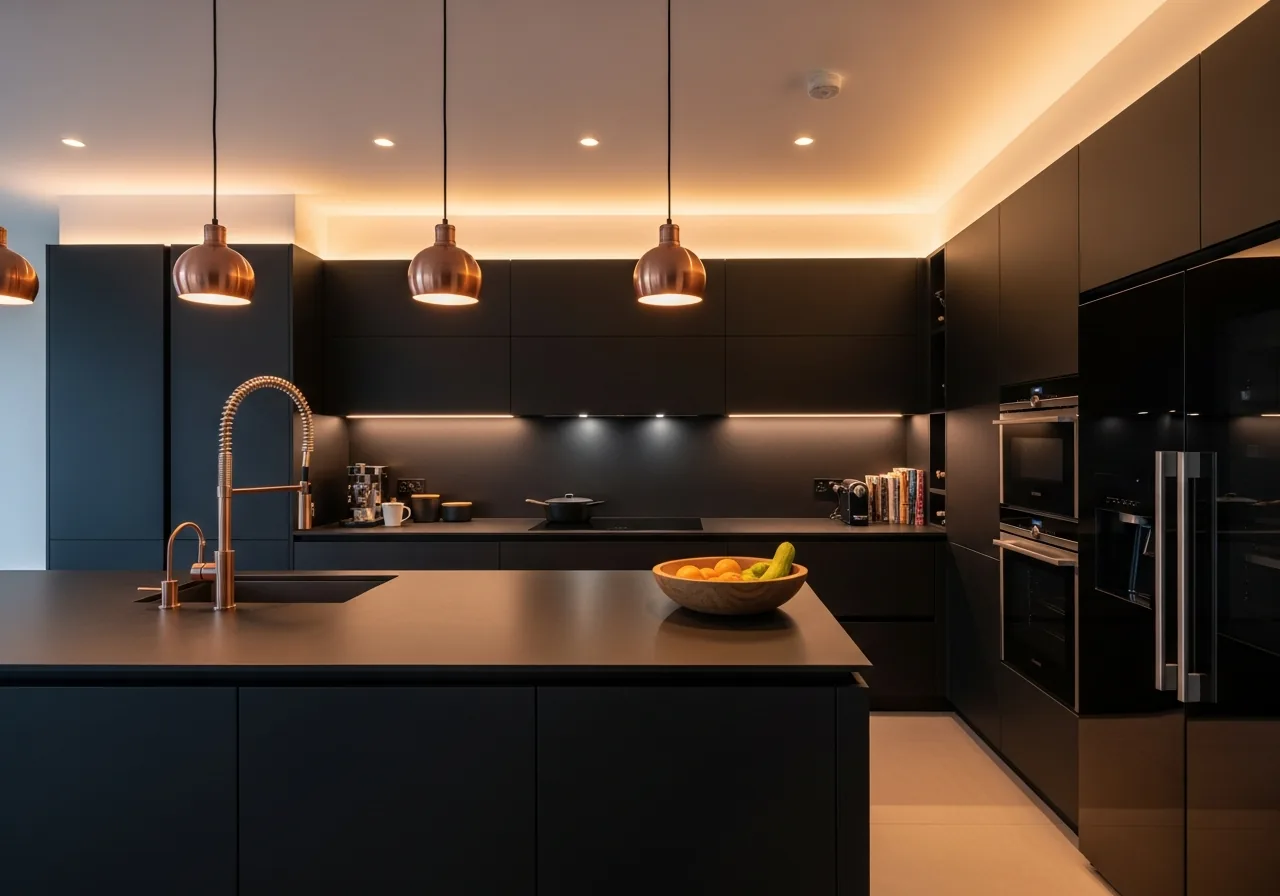
In a bespoke kitchen with rich walnut cabinetry, a cool daylight bulb can wash out the grain and make the wood look grey. In a German kitchen with sleek matte finishes, warm light might make it feel dull. This is where a demonstration becomes invaluable. You can place a portable lamp with adjustable colour temperature next to different cabinet samples and see the effect for yourself. I have seen clients change their entire material palette after this simple test. It sounds dramatic, but it happens more often than you think.
Dimmers and Layering Are Non-Negotiable
Another lesson from years of kitchen projects is that dimmer switches are not a luxury. They are essential. A kitchen needs to transition from a bright, functional workspace at breakfast to a soft, intimate backdrop for evening drinks. Without dimmers, you are stuck with a single level of brightness, which rarely suits both scenarios.
During a kitchen lighting demonstration, ask to see how each circuit responds to dimming. Some LED strips buzz or flicker at low levels, especially if paired with the wrong driver. Quality brands like Kichler and Hinkley Lighting design their fixtures to dim smoothly, but the compatibility with your chosen switch matters too. A good designer will specify a complete system, not just individual lights.
Real Kitchens, Real Shadows
Showroom lighting is often theatrical. It is designed to make every surface look perfect. But your kitchen at home will have different conditions. Morning sun streams through one window, evening shadows creep across another. A demonstration should simulate these variations as closely as possible. If the showroom lacks windows, ask to see the fixtures under both bright and dimmed conditions. That gives you a sense of how they will behave throughout the day.
I once worked with a client who chose a stunning crystal chandelier for her kitchen dining area. In the showroom, under spotlights, it sparkled like a star. But in her actual kitchen, which had low ceilings and dark worktops, it became a glare source. The pendant lights over the island, which she had picked almost as an afterthought, turned out to be the heroes. They provided focused task lighting without overwhelming the space. That experience taught me to always balance decorative fixtures with practical ones.
Premium Materials Need Light to Shine
Luxury kitchens rely on premium materials, from honed marble to hand-brushed brass. But these materials only reveal their character under the right light. A rough stone surface can look dull under flat lighting, while a polished metal finish can create harsh hotspots. A kitchen lighting demonstration lets you see how your chosen materials respond to different angles and intensities.
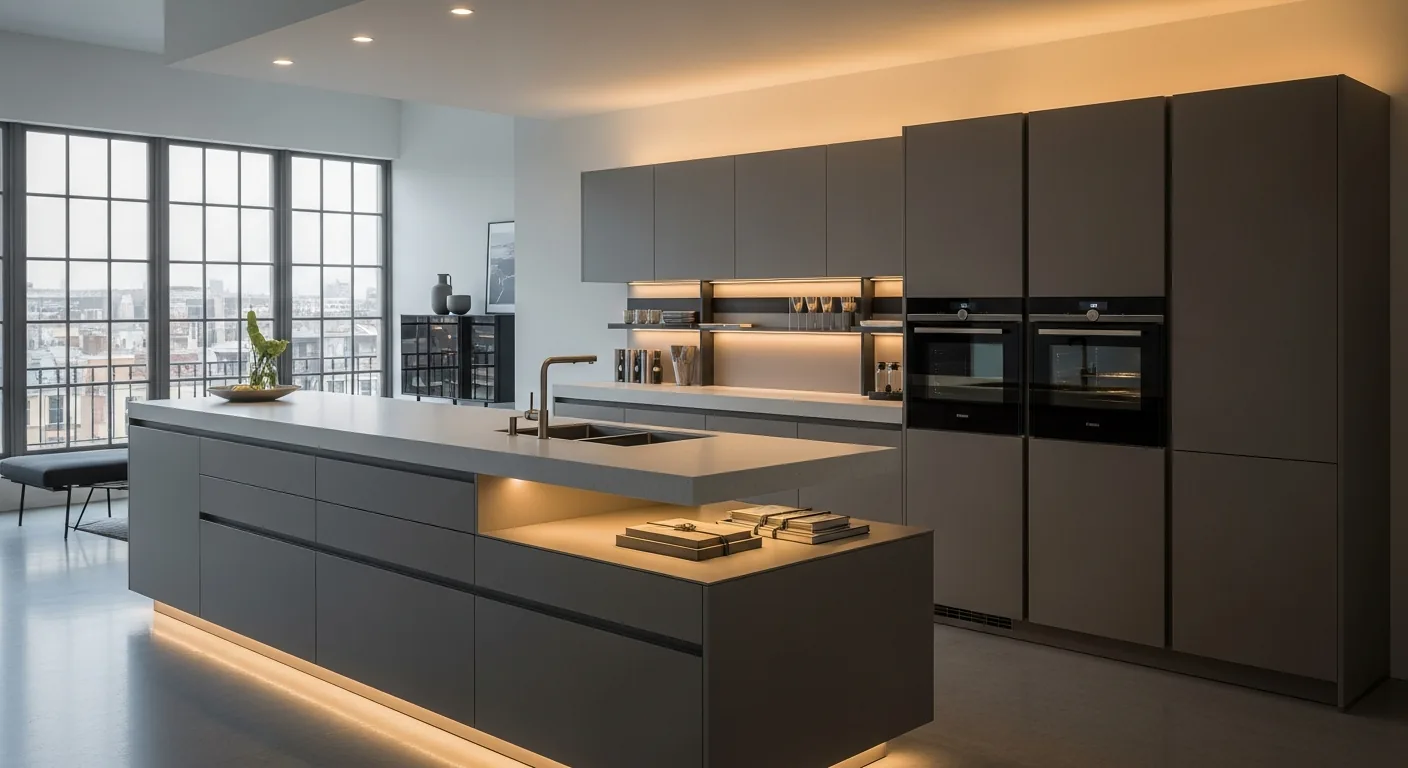
For example, a matte ceramic worktop might look elegant under a soft, diffused ambient light. But if you place a single recessed spotlight directly above it, the texture can appear pitted and uneven. Conversely, a high-gloss lacquer cabinet needs some sparkle to feel alive, so a few well-placed accent lights can make a huge difference. The demonstration is your chance to test these interactions before you commit.
Energy Efficiency Without Sacrificing Atmosphere
Modern LED technology makes it easier than ever to be energy efficient while still achieving a warm, inviting glow. But not all LEDs are created equal. Some have a cold, sterile cast that ruins the mood. Others degrade over time, losing brightness or shifting colour. A good lighting design balances efficiency with aesthetics, and a demonstration helps you see the trade-off in person.
Ask about the colour rendering index, or CRI, during your visit. A high CRI means colours appear true and vibrant. This matters especially if your kitchen features rich woods, colourful tiles, or artwork. Many showrooms now offer LED strip lights with high CRI ratings, and they can demonstrate the difference side by side. Once you see a red apple under a low CRI light versus a high CRI light, you will never ignore that spec again.
How to Get the Most from a Showroom Visit
If you are planning a kitchen renovation, schedule a dedicated lighting consultation rather than treating it as an add-on. Come prepared with questions about your space: ceiling height, window placement, and the tasks you perform most. Bring samples of your worktop or cabinet colour if you have them. And do not be shy about asking for a full kitchen lighting demonstration.
During the demonstration, take note of where the light falls and where it leaves shadows. Move around the simulated kitchen as if you were cooking. Bend down to check under-cabinet lighting. Stand back to see the overall effect. This is not about picking a single fixture. It is about understanding how light shapes the room's personality.
The Long-Term Payoff
Investing time in a lighting demonstration pays off long after the renovation is complete. You will avoid the disappointment of a kitchen that looks great in photos but feels wrong in person. You will also save money by not replacing fixtures that failed to meet your expectations. And you will gain a deeper appreciation for how light and material work together, which is the essence of good design.
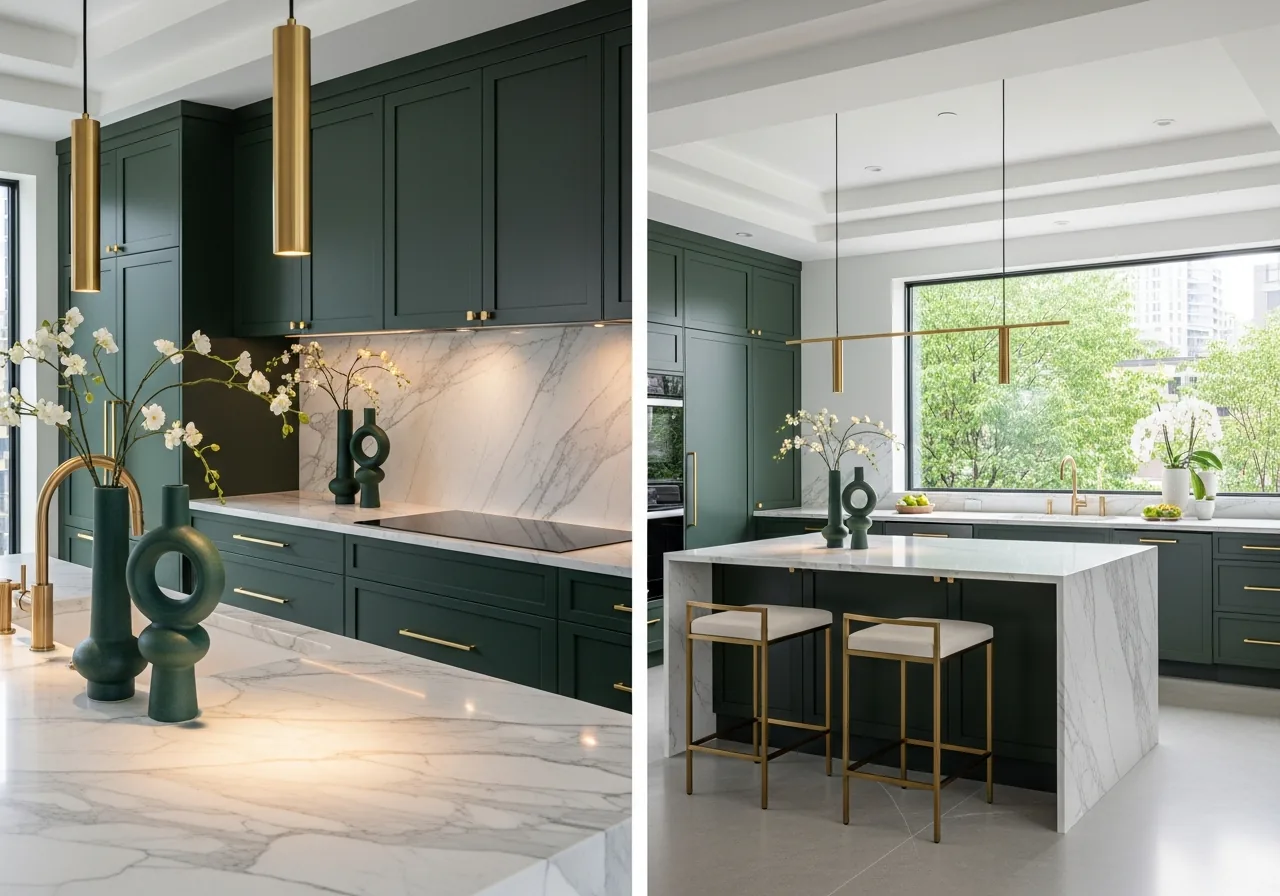
British design and German engineering both place a high value on precision and craftsmanship. Lighting is no exception. Whether you choose a bespoke kitchen with hand-finished details or a sleek German kitchen with minimalist lines, the right lighting will elevate it. A showroom that offers a comprehensive kitchen lighting demonstration is showing you that they understand this connection. That is a sign of a thoughtful designer, not just a salesperson.
So before you sign off on your kitchen plans, ask to see the lights in action. It might feel like an extra step, but it is one of the most valuable ones you can take. Your kitchen will be brighter, more functional, and more beautiful because of it.
Corrections
Spot something wrong? Send it to the desk and it gets fixed in the open.